Blog
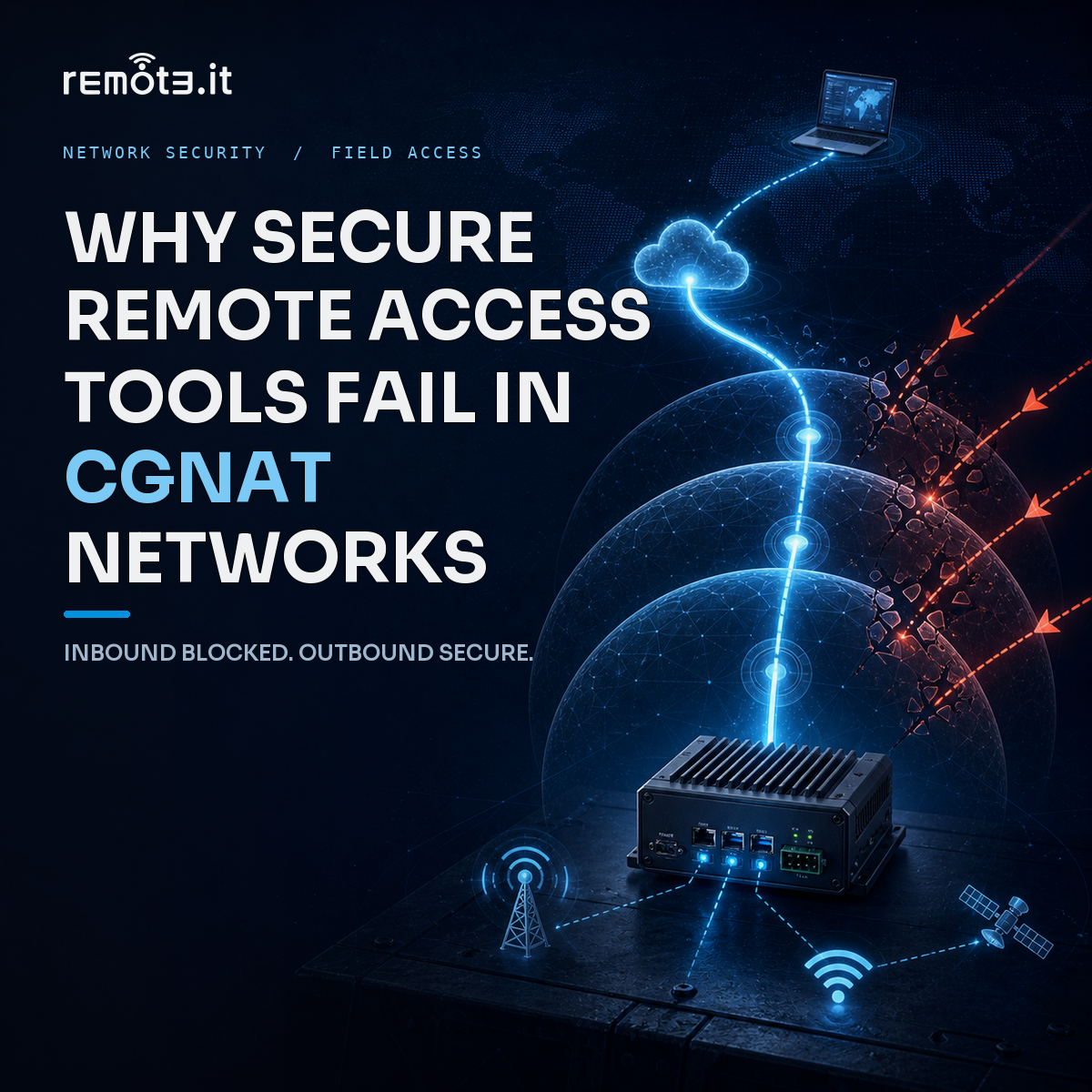
Why Secure Remote Access Tools Fail in CGNAT Networks
Learn why CGNAT, 5G, Starlink, and restrictive firewalls break traditional remote access - and how outbound-only, zero trust architecture keeps devices reachable.
NEW Coming soon: ask your fleet a question and get an answer — an MCP server for AI. Read more →
Learn why CGNAT, 5G, Starlink, and restrictive firewalls break traditional remote access - and how outbound-only, zero trust architecture keeps devices reachable.
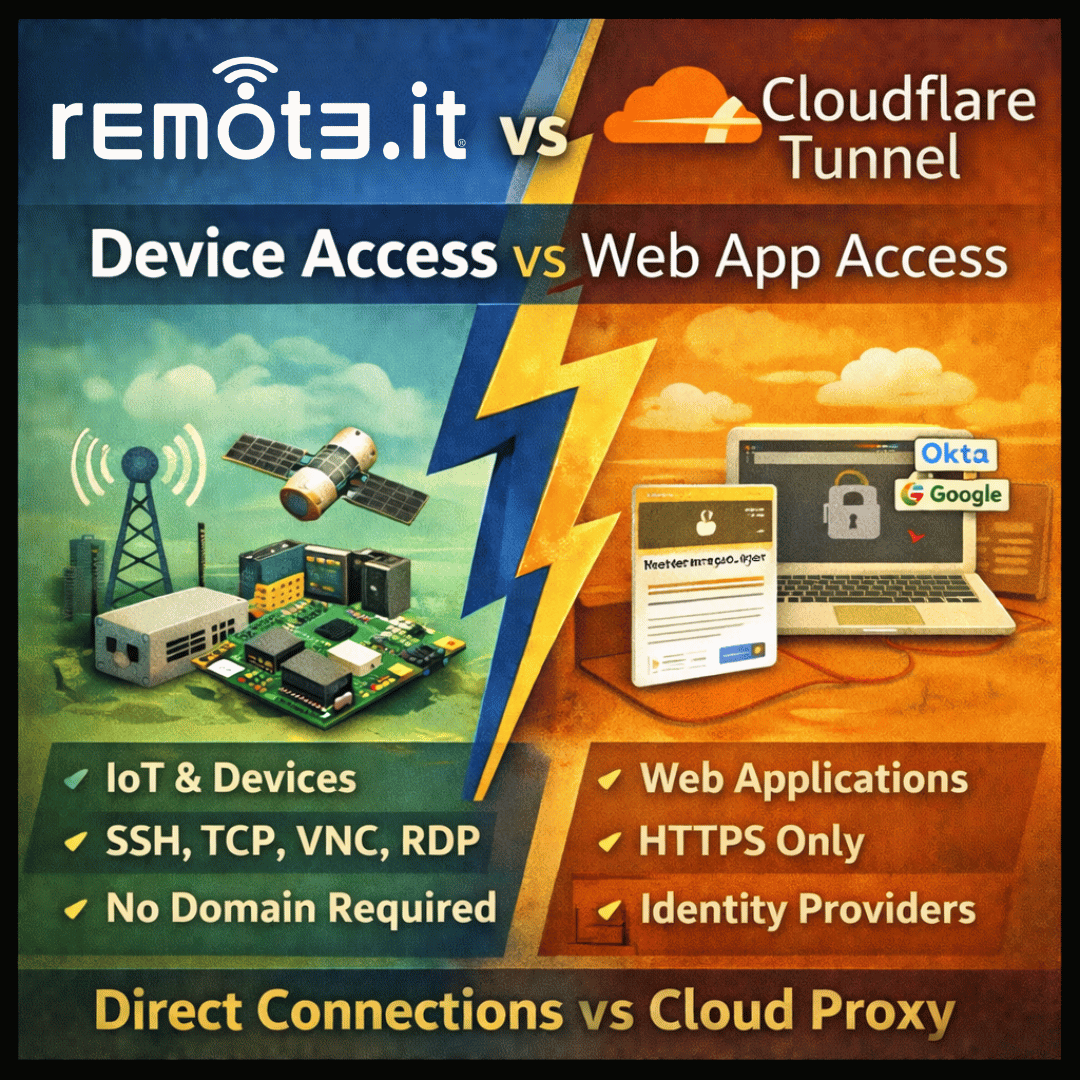
Cloudflare Tunnel is a powerful, free tool for securely exposing web applications — HTTP and HTTPS services — through Cloudflare's global network, with…
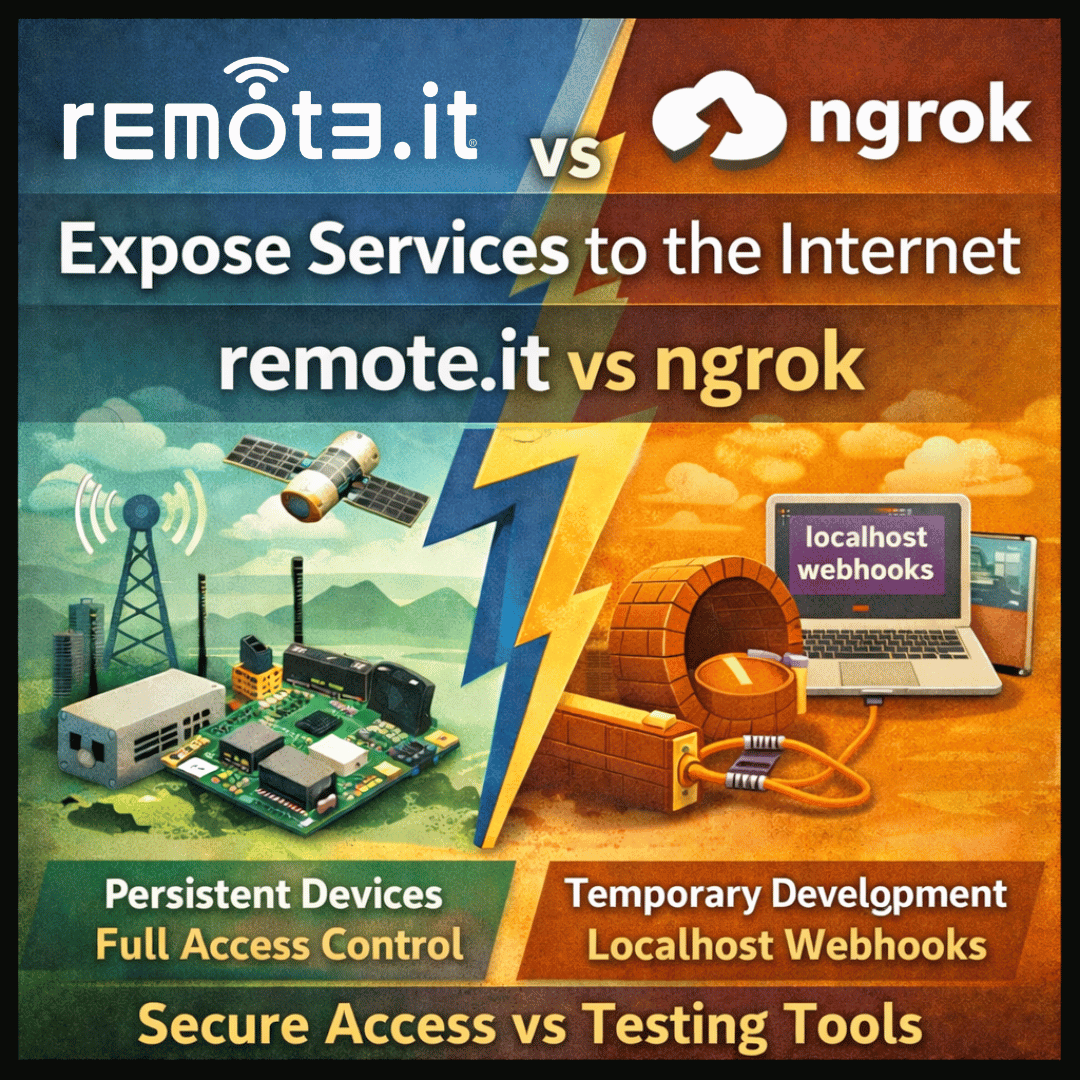
Ngrok was built for developers who need to temporarily expose a localhost port during development — demos, webhooks, quick tests. It routes traffic through…
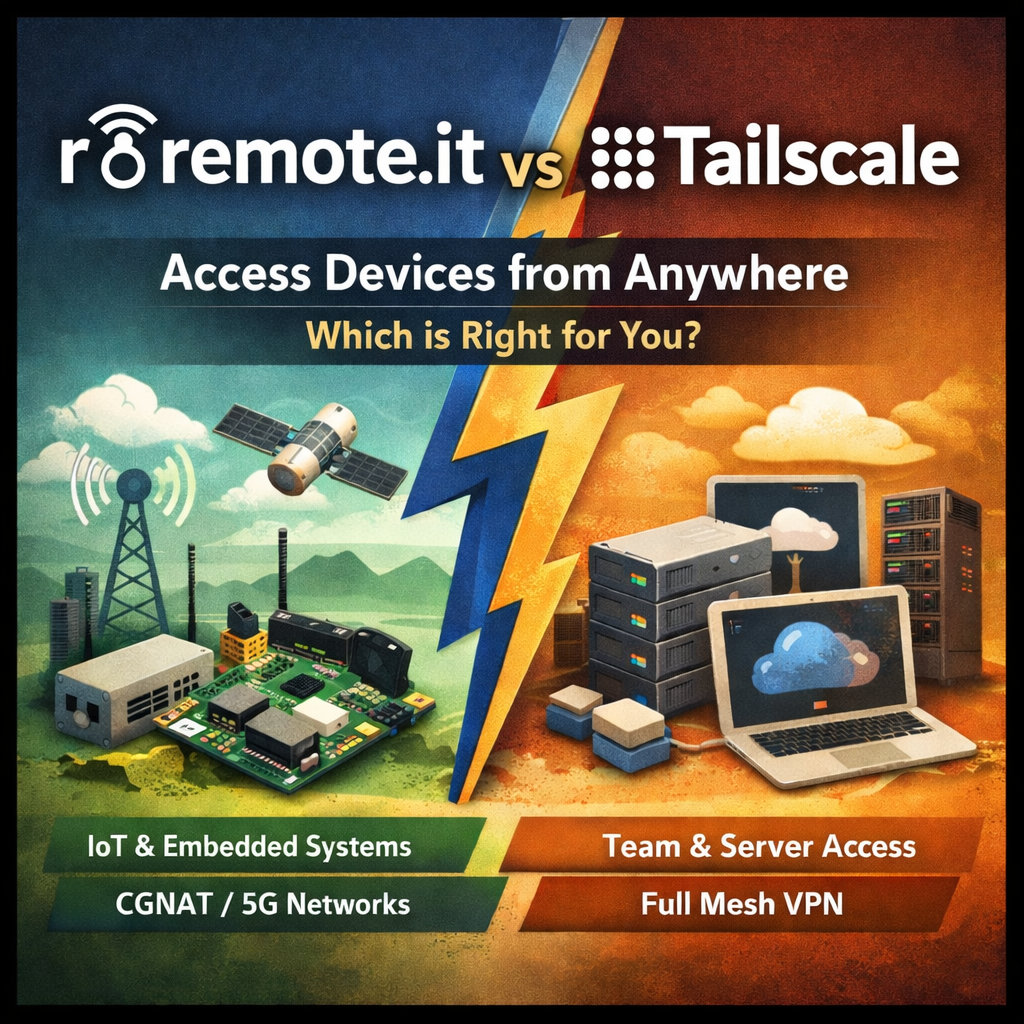
Tailscale is a mesh VPN built for team access to shared infrastructure. Remote.it is purpose-built for connecting to individual devices — especially IoT…
A recent security incident involving DJI robotic vacuums revealed how a single authentication weakness inside a centralized cloud control plane can expose…
Remote Desktop Protocol operates on TCP port 3389 by default, presenting significant attack surface exposure when accessible from the public internet. This…
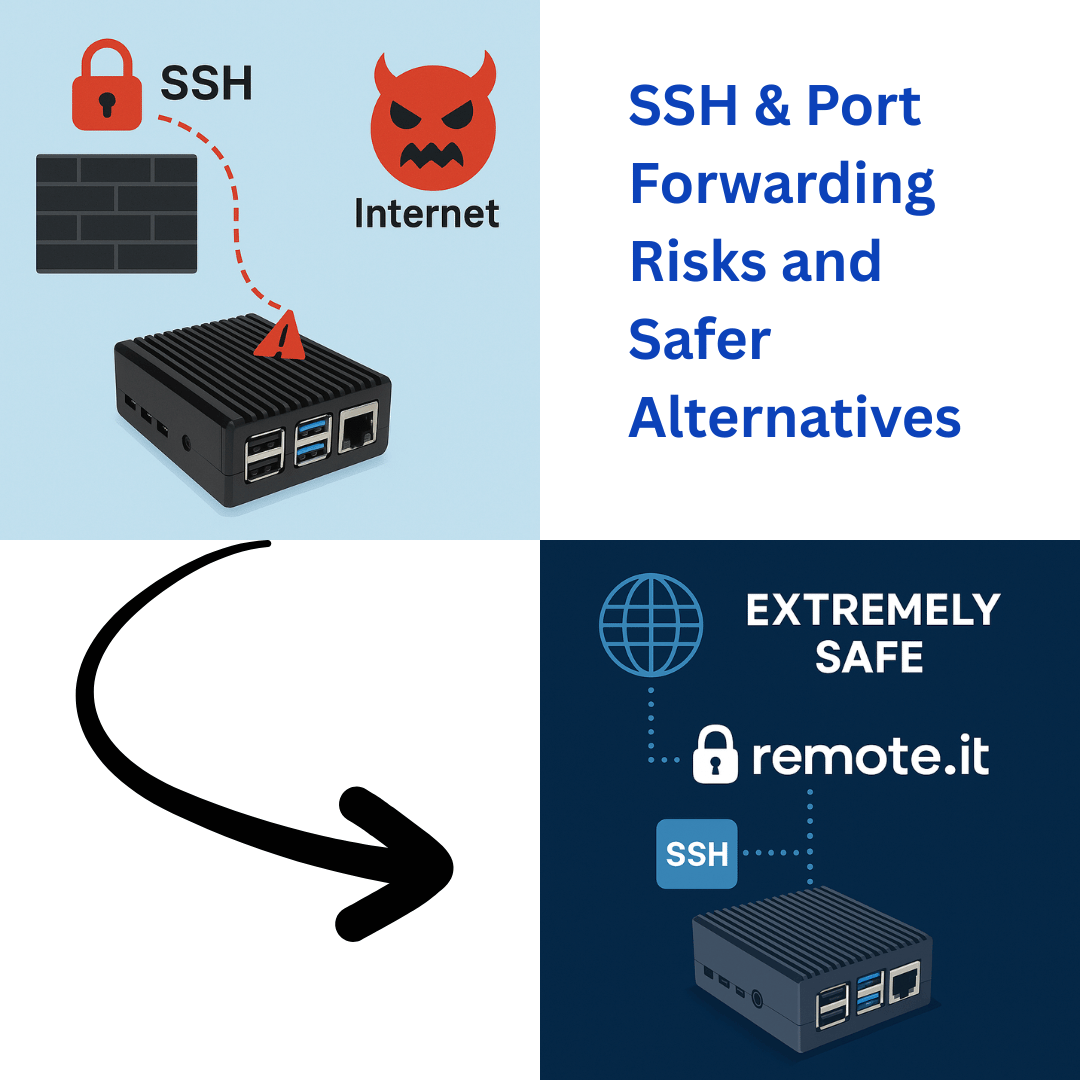
Secure Shell (SSH) is a protocol for secure connections to remote computers or servers. The protocol encrypts communication so you run commands, transfer…
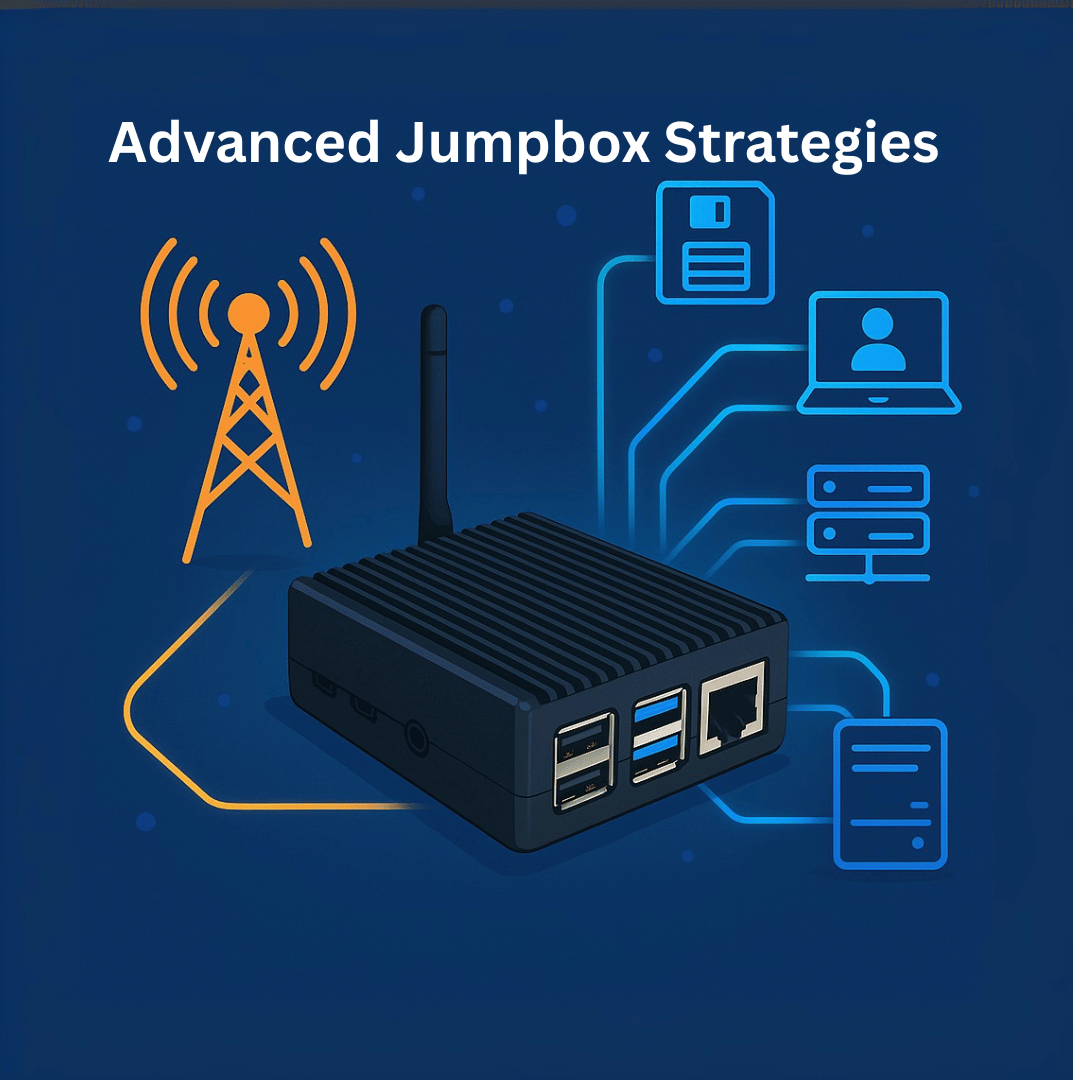
A Jumpbox isn’t an insurance policy for remote LAN access anymore; it’s becoming a central tool for resilient, cost-effective IT operations.

IT environments no longer confine themselves to a single office or data center. From global hybrid workforces to IoT deployments at the edge, devices and…

In today’s threat landscape, the most dangerous network connections are the ones too open, too broad, and too visible.
Copy-paste SCP command examples: copy a file from local to remote and from remote to local, copy directories, set a port or SSH key, and use SCP on Windows.
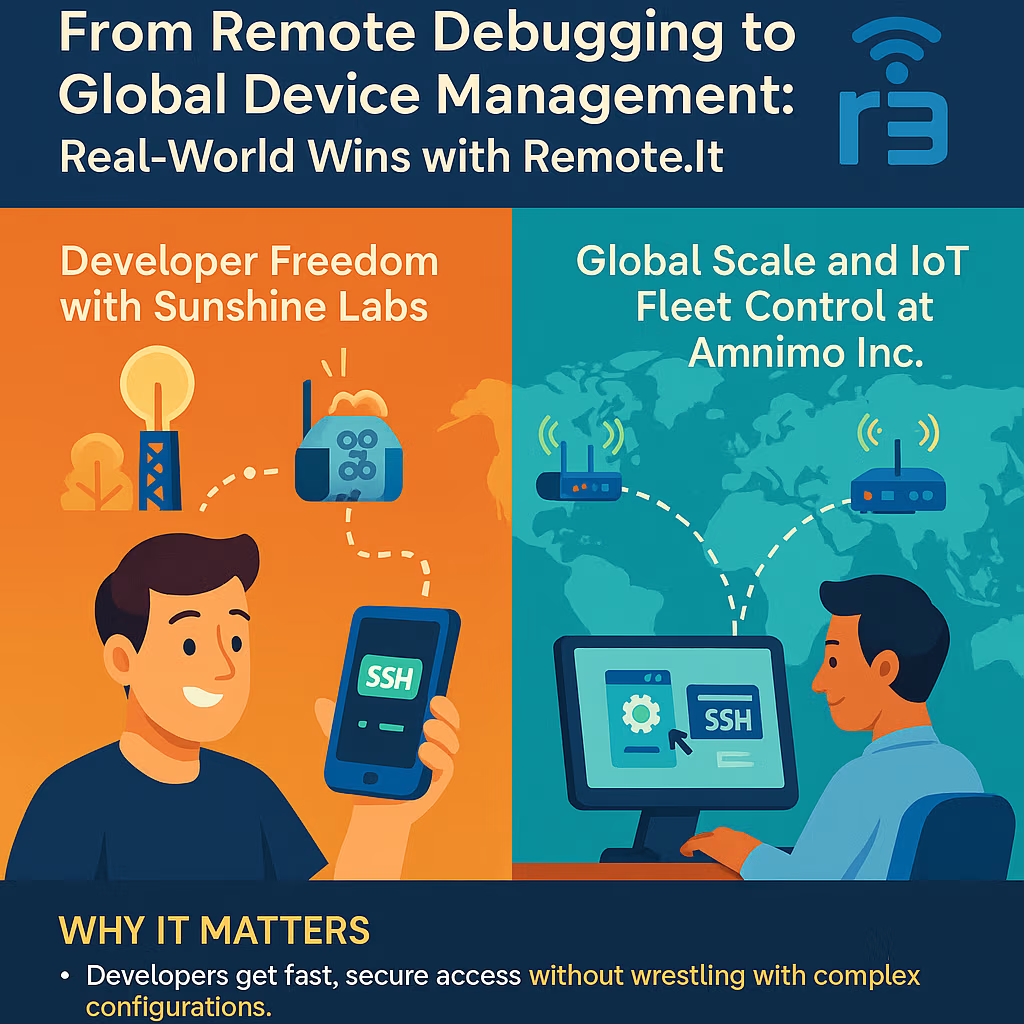
Modern infrastructure demands two things: agility for developers and scalability for operations. But meeting both needs has historically required…

When it comes to remote access, one of the biggest challenges is balancing usability and security. Traditional tools like VPNs often treat access as…
Legacy devices still power critical infrastructure in industries ranging from manufacturing and utilities to research and retail. These systems often live…
You know the drill: you need to access that Raspberry Pi at home, but it's trapped behind your router's NAT. So you log into the router, fumble with port…

Most teams focus on getting things connected. And that makes sense — connectivity is the foundation of modern infrastructure.
Remote.It works on Linux, macOS, Windows, Raspberry Pi, OpenWRT, Android, and containerized environments like Docker. It also supports major cloud platforms…
Contuniation from part 1: What is a jumpbox and why you need one
If it's so risky, why do so many organizations still rely on port forwarding? The reasons go beyond simple inertia:

Despite their benefits, jumpboxes sometimes face resistance from IT teams due to several misconceptions. Let's address the most common objections and…
Remote access to networks is critical for IT teams, but securing that access can challenge you. While VPNs and other gateway solutions are common, they…
Technical issues happen when you least expect them, and when they do, the last thing you want is to be stranded without a quick fix. Whether you’re managing…

In today’s interconnected world, geoblocking poses a significant challenge to businesses and individuals alike. From accessing region-restricted content to…

The Raspberry Pi has revolutionized how makers, developers, and hobbyists approach computing projects. Its affordability, versatility, and robust ecosystem…